

Angle Finder Apps: How Smartphone Sensors Support Accurate Everyday Measurements
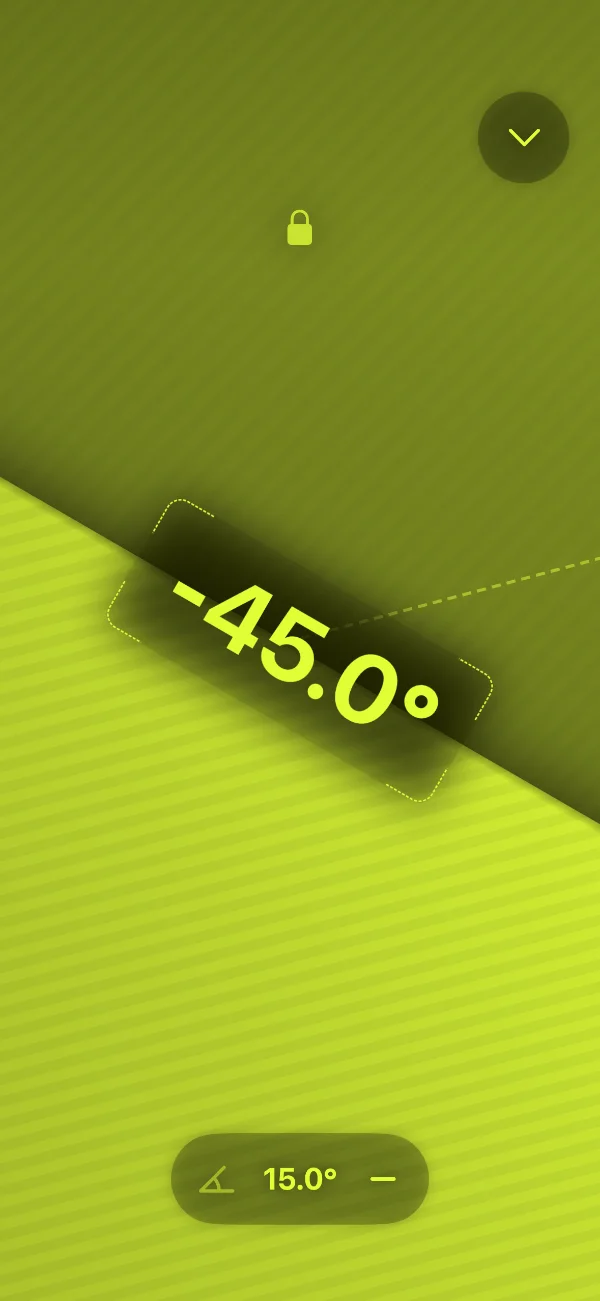
Modern smartphones can serve as practical measurement tools when equipped with the right sensors and applications. An Angle Finder App can transform a phone into a convenient digital inclinometer for checking slopes, alignment, surface angles, and positioning. The technology relies on motion sensors within the device to detect orientation and movement, giving users a visual reading without requiring a separate measuring instrument. This makes smartphone-based measurement useful for DIY projects, home improvement, woodworking, construction checks, and everyday alignment tasks.
What Does an Angle Finder App Measure?
An angle finder application measures the orientation of a smartphone relative to a chosen reference position. Depending on the available measurement mode, users can examine horizontal alignment, vertical positioning, surface inclination, and rotational movement.
The Bubble Level platform provides several measurement modes designed around these practical requirements. Its tools can display angular readings, support full-range measurements, and provide a nearest-angle mode for quick alignment checks. This makes the application suitable for situations where users need immediate information about the position of an object or surface.
How Smartphone Sensors Make Measurement Possible
Smartphones contain motion and orientation sensors that detect changes in position. An angle measurement application processes this sensor information and converts it into an understandable visual reading.
Calibration is an important part of the process. Bubble Level allows users to place their device against a known flat or vertical surface before using the calibration function. Establishing a reliable reference helps create more consistent readings during subsequent measurements.
The application also uses sensor filtering to provide smoother readings. This is particularly useful when a phone is being adjusted gradually, such as when aligning furniture, positioning a shelf, or checking a work surface.
Where Digital Angle Measurement Is Useful
Smartphone angle measurement has applications across many practical activities. Homeowners can use it when installing shelves, aligning picture frames, positioning appliances, or checking whether a surface is level.
In workshops, a digital inclinometer can support woodworking and carpentry tasks where consistent alignment matters. Construction and renovation activities can also benefit from quick slope and orientation checks before more detailed work begins.
Outdoor users may find angle measurement useful when positioning recreational equipment, leveling a campervan, or checking the orientation of equipment on uneven ground.
Visual Tools Improve Measurement Awareness
Clear visual feedback can make digital measurement easier to understand. Bubble Level combines numerical readings with visual indicators, including a guided crosshair and rotational orientation display. These elements help users recognize movement while adjusting a device or surface.
Optional augmented-reality measurement features can provide another layer of visual guidance. The application can use the camera for supported AR tools, while its core leveling and inclinometer functions do not require camera access. This separation allows users to perform basic measurements quickly without activating additional features.
Why Calibration and Device Position Matter
Accurate smartphone measurements depend on more than the application itself. The phone should be positioned consistently, and calibration should be performed when appropriate. Cases, uneven contact surfaces, or incorrect positioning can affect how a device rests against an object.
For professional or detailed work, digital readings should be treated as part of the measurement process rather than the sole verification method. A stable surface, careful positioning, and repeated checks can improve confidence in the result.
A Practical Tool for Everyday Measurement
The growth of sensor-based mobile applications has made smartphones useful beyond communication and entertainment. A dedicated leveling and angle-measurement platform can combine several functions within one interface, reducing the need to carry separate tools for routine checks.
Bubble Level is designed around this approach, offering bubble-level, inclinometer, tilt-meter, AR ruler, and protractor functionality in a single application. Its support for iOS and Android also makes smartphone-based measurement accessible across common mobile platforms.
For DIY work, home projects, alignment tasks, and quick professional checks, an angle measurement application provides a convenient way to understand orientation directly from a phone. With appropriate calibration, clear visual feedback, and careful positioning, smartphone sensors can become a useful part of a modern measurement workflow.