


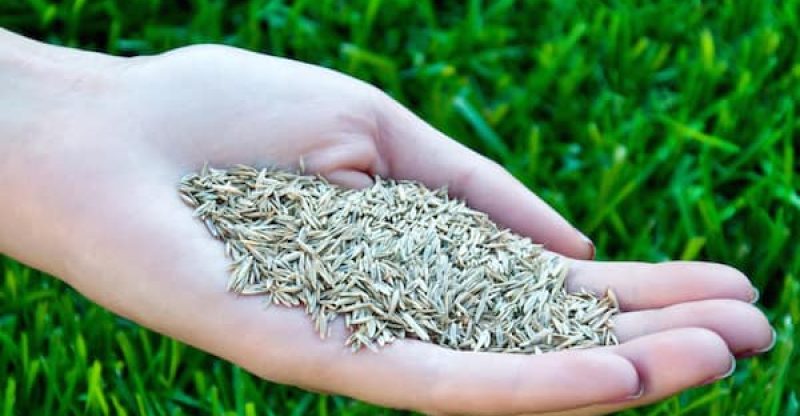
Overseeding Solutions That Fill in Bare Spots and Improve Grass Texture
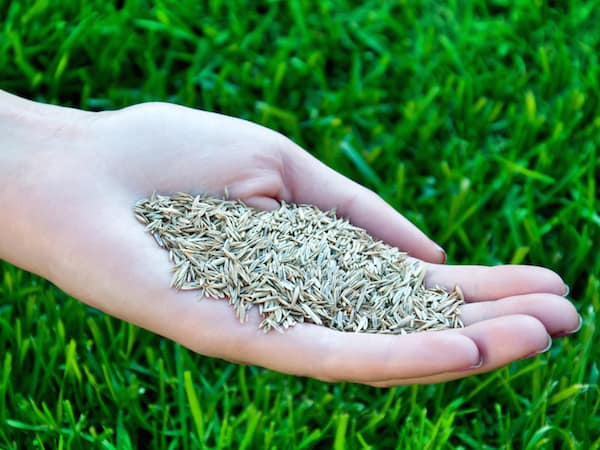
No homeowner enjoys the sight of a patchy, uneven lawn. Bare spots, thinning grass, and rough textures can detract from the beauty of any outdoor space, regardless of climate or season. One trending topic in lawn care that continues to draw attention in statistics blogs and among grass care enthusiasts is overseeding. This science-backed method targets bare areas and overall grass quality, routinely producing visible improvements in texture, density, and vitality. This article explores how overseeding solutions address common problems and unveils the statistical and practical benefits of implementing this approach for a healthier, more consistent lawn.
Why Do Bare Spots and Poor Texture Happen in Lawns?
Grass struggles for many reasons, leading to unsightly bald spots and uneven surfaces. Common culprits include foot traffic, drought stress, pet damage, pests, diseases, insufficient sunlight, and compacted soil. Over time, even established lawns may thin and lose their resilience. While patching affected areas with individual seeds or sod can yield results, lawns often require a more comprehensive and statistically effective approach.
What Is Overseeding?
Overseeding is the practice of spreading new seed over an existing lawn without tearing up the turf or soil. This practice works for cool- and warm-season grasses. It fills in thinning zones, strengthens weak patches, and ultimately revitalizes the entire yard with minimal disruption. Overseeding fits squarely within today’s data-driven approach to lawn maintenance, and recent trends show a surge in its popularity, especially among those tracking lawn health metrics over time.
Benefits of Overseeding for Bare Spots and Lawn Texture
1. Fills in Patchy or Bare Areas
Statistical evidence overwhelmingly shows overseeding is among the most effective strategies for repairing bare or thinning patches in lawns. By distributing a healthy population of seeds throughout problem areas, new seedlings establish quickly, outpacing weeds and restoring lush coverage in previously barren ground.
2. Promotes Thicker, More Resilient Turf
A dense lawn is statistically less likely to face issues from weed encroachment, fungal diseases, and stress from heavy use. Overseeding floods the lawn with new growth, increasing blade count per square foot. The improved density not only pleases the eye, but the thick mat of roots and foliage acts as both a deterrent to pests and a barrier to weeds, making the entire surface more robust year-round.
3. Enhances Grass Texture and Softness
Overseeding allows you to introduce advanced or improved grass varieties with finer blades and more desirable textures. Grass texture is a measured quality, and overseeded lawns routinely score higher for softness and uniformity in studies and trend reports. The result is a surface that feels smoother underfoot and responds better to mowing and routine care.
4. Encourages Disease and Pest Resistance
Lawn health statistics consistently reveal that genetic diversity, achieved by adding new seed types, increases resilience. Overseeding introduces younger plants with updated resistance to common turf diseases and pests. This reduces the likelihood of recurring outbreaks and limits the statistical impact of seasonal stresses.
5. Boosts Color Vibrancy and Visual Appeal
Data collected from overseeded lawns highlights a noticeable upgrade in vividness and consistency of color. New seedlings often grow with brighter green pigments and show better color retention during temperature fluctuations, ensuring the visual appeal from early spring through late autumn.
6. Supports Improved Water Uptake and Drought Tolerance
Bare spots are not just unsightly; they lead to water runoff and decreased efficiency in irrigation. Overseeded areas develop a more extensive root network, which supports water uptake, minimizes runoff, and boosts drought resilience.