


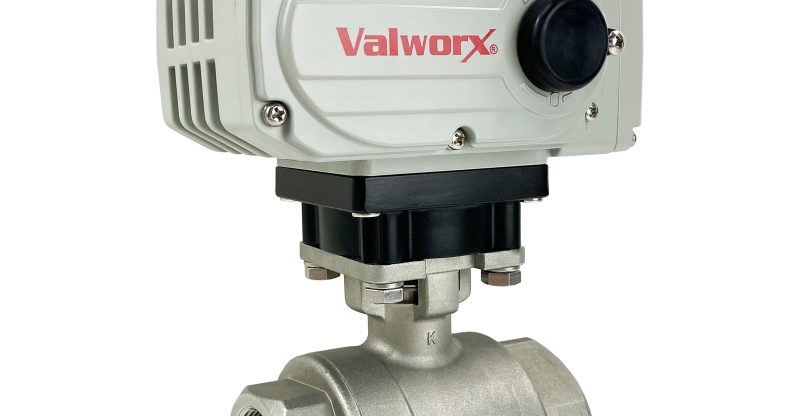
“Enhancing Flow Regulation with V-Port Ball Valve Technology”
Advanced valve technology has been instrumental in optimizing fluid control systems across industries. Among these innovations, V-Port Ball Valves Technology is particularly noteworthy for its ability to enhance flow regulation with precision and reliability. This specialized valve design is helping industries like oil and gas, water treatment, and chemical processing achieve greater efficiency while reducing operational complexities. But how exactly does this technology work, and why does it stand out? Let’s explore.
The Basics of V-Port Ball Valve Technology
At its core, a V-Port ball valve is a modified version of the traditional ball valve. It features a unique V-shaped notch on the valve’s ball or seat. This design enhancement allows for finer control over flow rates by enabling a more linear or proportional flow characteristic. Unlike standard ball valves that operate in either “open” or “closed” positions, V-Port ball valves offer precise modulation, making them ideal for applications requiring accurate flow control.
Key Working Principle
When fluid flows through the valve, the V-shaped notch creates a controlled stream that increases or decreases predictively as the valve is adjusted. This results in smoother operation and ensures that processes requiring tight tolerances, like chemical dosing or pressure regulation, are consistently maintained.
Benefits of V-Port Ball Valves for Industries
The rise in demand for V-Port ball valves can be attributed to their numerous benefits. Here’s why businesses are increasingly adopting this advanced technology:
1. Enhanced Flow Precision
The V-notch design allows for proportional flow control, which is critical in applications requiring accurate adjustments. This feature reduces the likelihood of fluctuations and ensures steady flow, even in high-pressure conditions.
2. Superior Durability
V-Port ball valves are typically made from robust materials such as stainless steel, which makes them resistant to wear, corrosion, and extreme temperatures. Their durability translates into long-term reliability and reduced maintenance costs.
3. Reduced Energy Consumption
Efficient flow regulation minimizes turbulence and energy losses within the system. This makes V-Port ball valves a more energy-efficient option for industries heavily dependent on fluid transport systems.
4. Versatility Across Applications
Thanks to their flexibility, V-Port ball valves can handle a wide range of fluids, including gases, liquids, and slurries. Industries such as food processing, petrochemicals, and pharmaceuticals rely on these valves for tasks that require both precision and reliability.
5. Cost Efficiency
While the initial investment in V-Port ball valves may be slightly higher than standard alternatives, their long-term cost benefits are undeniable. Their reliable performance minimizes system downtimes and extends the lifespan of related equipment.
Applications Driving the Adoption of V-Port Ball Valves
The versatility of V-Port ball valve technology lends itself to a wide range of critical applications. Below are a few examples of industries and processes that benefit from this innovation:
- Water Treatment: Used for precise dosing of chemicals in water purification systems to meet safety and environmental standards.
- Oil and Gas: Provides accurate flow control for pipelines, ensuring stability during extraction and refining processes.
- Chemical Processing: Allows for regulated flow of highly reactive or corrosive fluids, safeguarding both equipment and personnel.
- HVAC Systems: Maintains consistent pressure and temperature control in industrial heating and cooling systems.
Why V-Port Ball Valve Technology is a Game-Changer
The growing popularity of V-Port ball valves is a testament to their importance in modern industry. Their ability to deliver precision, reliability, and efficiency makes them an indispensable component for businesses striving to optimize their processes. And as industries continue to innovate, these valves are likely to play a critical role in more advanced flow control applications.
By incorporating V-Port ball valve technology into your system, you’re investing in a solution that not only enhances performance but also aligns with sustainability and cost-efficiency goals. It’s an upgrade that modern industries simply cannot overlook.