


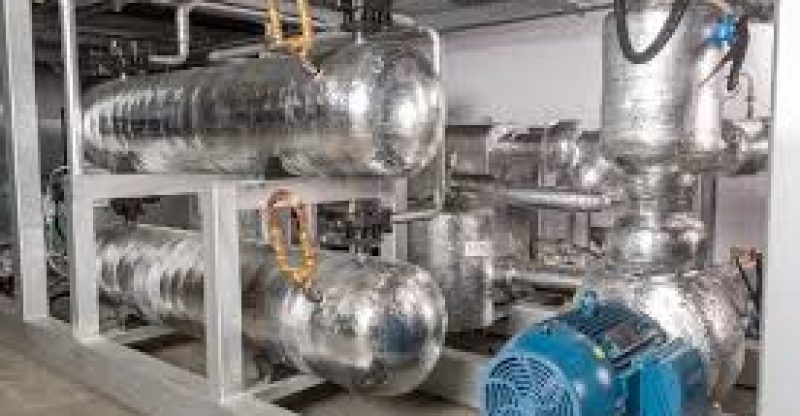
Professional Installation and Maintenance for Reliable Glycol Systems
For industries that demand precise temperature regulation, glycol systems are not just beneficial but often essential. Glycol, a chemical compound known for its exceptional heat transfer properties, plays a crucial role in a variety of applications, from brewing and HVAC systems to refrigeration and industrial cooling. However, the backbone of a reliable Glycol Systems lies not solely in the equipment itself but in its professional installation and regular maintenance.
By understanding the factors involved in installation and upkeep, industries can improve operational efficiency, minimize downtime, and extend the life of their systems.
The Importance of Professional Installation
Installing a glycol system isn’t a simple plug-and-play operation. It requires expertise, intricate planning, and precise execution. The reason behind this complexity lies in the specificity of each system’s requirements. A brewery’s glycol system, for instance, must be optimized for rapid cooling during the fermentation process, while an HVAC application demands efficient temperature control for diverse environmental settings.
Professional installers bring specialized knowledge to the table, ensuring that the system matches the operational needs of the business. A critical aspect of installation is meticulous system design, which includes selecting the right size of pipes, pumps, and chillers to ensure optimum performance. Incorrect installations can lead to thermal inefficiencies, system damage, or reduced capacity, issues that could cost businesses severely.
Case studies highlight the impact of professional installation. For example, a food processing plant in North America that transitioned to a professionally designed glycol cooling system recorded a 15% increase in operational efficiency while reducing energy consumption by over 20%.
Maintenance Is the Cornerstone of Reliability
Once a glycol system is installed, it cannot run on autopilot indefinitely. Regular maintenance is essential to keep the system running efficiently and to address potential problems before they escalate.
One of the primary maintenance tasks involves monitoring glycol concentration. If the solution is too diluted, it will reduce the system’s efficiency and increase the risk of freezing. Conversely, overly concentrated glycol can cause excessive pressure and strain internal components, leading to damage. Regular testing ensures that the glycol mix is balanced and performing at its peak.
Another critical aspect of maintenance is leak detection. Even minor leaks can significantly degrade system performance while also risking contamination in specific industries, such as food and beverage production. Annual inspections of seals, joints, and pipework should be carried out to ensure the system’s integrity.
Furthermore, descaling and cleaning are essential for systems that handle frequent heating and cooling cycles. Scale build-up can lower thermal conductivity, leading to higher operating costs in the long run. A well-maintained glycol system has been shown to consume 10–15% less energy, as opposed to a neglected one.
Looking Ahead
With the increasing dependency on glycol systems across industries, the relevance of professional installation and regular maintenance cannot be overstated. These systems are the backbone of temperature-sensitive processes, and ensuring their reliability translates to greater productivity, cost savings, and longer system lifespans.
Bridging the gap between function and longevity begins with investing in skilled installers and prioritizing scheduled maintenance. For forward-thinking industries, this isn’t just an operational requirement; it is a strategic advantage.