

What Is Catch-up TV & How Does It Work?
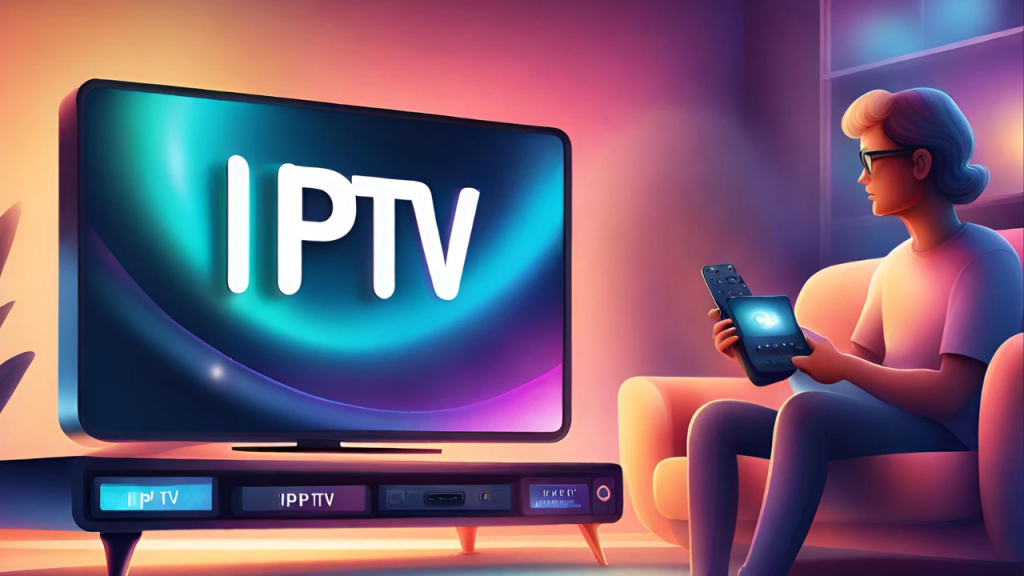
The way we consume television has drastically changed over the years. Traditional broadcast schedules no longer dictate when audiences have to view their favorite shows. Instead, viewers now have the freedom to watch what they want, when they want, thanks to innovations like catch-up TV. But what exactly is catch-up TV, and how does it work? Here, we break it down for you in simple terms.
What Is Catch-up TV?
Catch-up TV is a service provided by broadcasters that allows users to watch television programs after they have been aired live. Typically, this feature is accessible through an internet connection, either via a web browser or a dedicated app. Instead of being tied to the fixed time slots of a traditional TV schedule, viewers can “catch up” on episodes of missed programs at their own convenience.
Whether you forgot to set up a live recording or simply weren’t available to tune in, catch-up TV ensures that you don’t miss out on your favorite shows. Most major networks and streaming platforms offer this service in one form or another, and it’s quickly becoming a staple of modern TV consumption.
How Does Catch-up TV Work?
To better understand how catch-up TV operates, it’s helpful to look at the technology and delivery methods behind it. Here’s a simplified guide to how it works:
1. Broadcasting and Content Storage
When a show airs live via traditional broadcast methods, such as cable or satellite, it is simultaneously recorded and uploaded to the broadcaster’s digital platform. This stored content is then made available for viewing on demand, usually within a few hours of the original broadcast.
2. Accessibility
Catch-up TV services are typically made available on multiple platforms:
- Smart TVs: Many modern televisions come pre-installed with streaming and catch-up TV apps.
- Web Browsers: Users can visit broadcaster websites to access catch-up features directly.
- Mobile Apps: Apps for phones and tablets often provide convenient on-the-go access to missed shows.
- Streaming Devices: Devices like Roku, Amazon Fire Stick, and Chromecast are also configured with apps offering catch-up TV.
3. Internet-Driven Delivery
The central component of catch-up TV is its reliance on the internet. Video streaming protocols and servers work to store and deliver content to individual users in real time. By buffering and streaming portions of the data, catch-up TV provides a smooth viewing experience even without downloading entire episodes or serving them live.
4. Content Availability
Catch-up TV services are not unlimited. The availability of specific episodes or shows can depend on licensing agreements and storage constraints. Most broadcasters typically allow access to the past seven days or weeks’ worth of content, with older episodes moving behind a subscription model or being removed altogether.
Catch-up TV and its Future Impacts
Catch-up TV is more than just a convenient option for missing your favorite show—it’s a trendsetter in the entertainment industry. This method of television consumption has shifted how broadcasters think about their audiences. On-demand accessibility, data-driven user behavior analysis, and subscription models are becoming vital aspects of the media landscape. Meanwhile, with increased competition from on-demand streaming services, like Netflix and Amazon Prime Video, catch-up TV shows no signs of slowing in innovation.